ABC Imagem Cardiovasc. 2025; 38(4): e20250083
My Approach to Wilkins-Block score in rheumatic mitral stenosis

DOI: 10.36660/abcimg.20250083i
Abstract
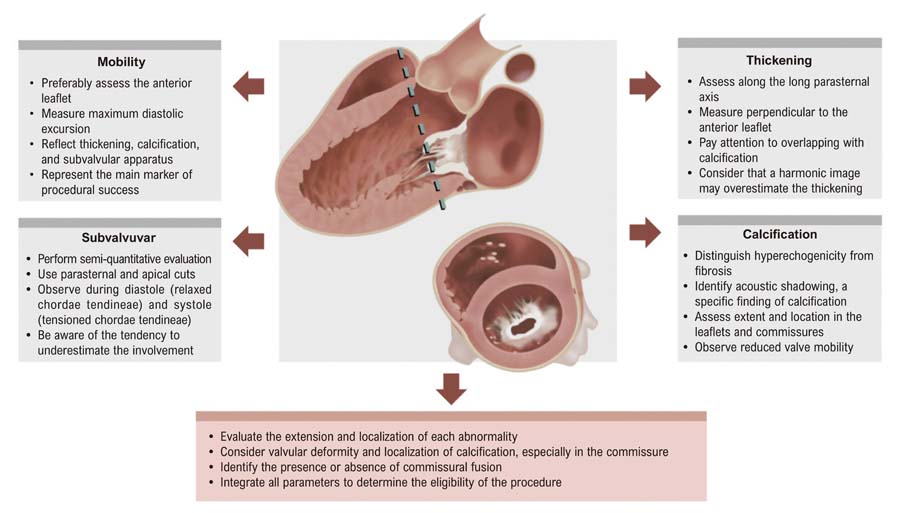
Mitral stenosis (MS) is the main clinical expression of chronic rheumatic heart disease. In symptomatic patients with severe MS and favorable anatomy, percutaneous mitral balloon valvuloplasty (PMBV) is the first-line therapeutic strategy. For the proper selection of candidates, the Wilkins-Block echocardiographic score was developed to characterize mitral valve morphology and predict eligibility for the procedure. This score includes four structural domains: leaflet mobility, valve thickening, degree of calcification, and subvalvular apparatus involvement, grading each parameter from 1 to 4 points, resulting in an overall range of 4 to 16 points, in increasing order of anatomical severity. The Wilkins score has become a widely validated tool, showing a consistent correlation with the immediate and long-term outcomes of PMBV. Among the limitations of the score, the absence of commissural anatomy assessment stands out, a variable recognized as a relevant prognostic determinant due to its strong association with the occurrence of post-procedure mitral regurgitation, considered the most frequent and clinically significant complication of PMBV. With the accumulation of clinical and technical experience, the indications for PMBV have been progressively extended to include patients with less favorable anatomical profiles. In these contexts, selection must be particularly rigorous, incorporating not only morphological criteria derived from echocardiographic evaluation, but also clinical aspects, in order to ensure satisfactory results and minimize the risk of complications.
259