Arq Bras Cardiol: Imagem cardiovasc. 2025; 38(2): e20250021
My Approach to Intracardiac Echocardiography During Atrial Fibrillation Ablation

DOI: 10.36660/abcimg.20250021i
Abstract
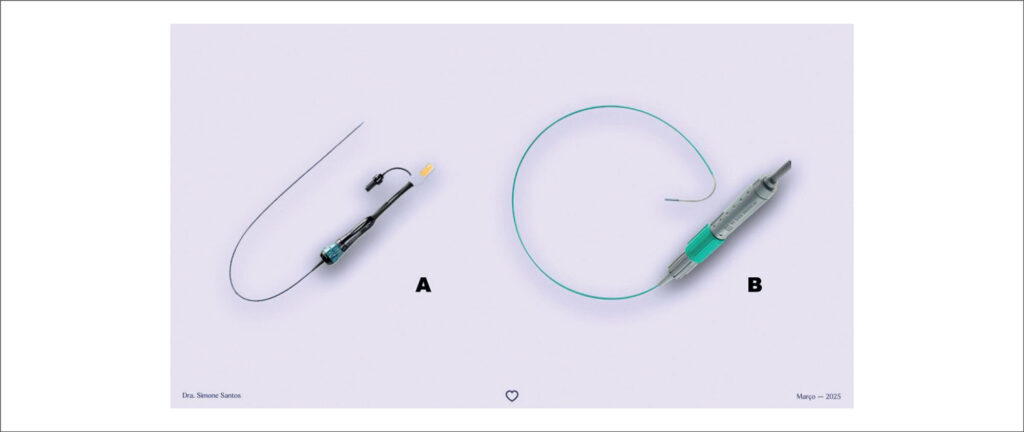
Atrial fibrillation (AF) is the most common arrhythmia encountered in clinical practice and is associated with serious complications such as stroke and heart failure. The prevalence of AF is increasing significantly due to population aging and related comorbidities. In addition, advances in technology — particularly the detection of AF through wearable devices such as smartwatches — have enabled earlier diagnosis. Intracardiac echocardiography (ICE) is a valuable imaging modality in electrophysiology and hemodynamic labs and is well-supported by the literature.– Since the early studies conducted at the Mayo Clinic,, ICE has rapidly become an indispensable tool for assessing cardiac anatomy. ICE enables real-time visualization of catheter positioning, tissue contact, its relationship to arrhythmogenic substrates and ablation targets, lesion formation, and procedural complications. Several recent studies have demonstrated the benefits of ICE in complex ablations, including reduced procedure times and complication rates, such as lower risks of cardiac tamponade and mortality, along with higher success rates (Central Illustration).– ICE-guided procedures are increasingly used in clinical practice across a variety of settings. They are considered feasible, safe, and associated with decreased fluoroscopy exposure — or even complete fluoroless procedures, as implemented by several groups in Brazil and worldwide.,– This article provides a step-by-step “My Approach to” guide on how to perform ICE during AF ablation.
490